
This article introduces a study published in December 2025.
Title: WHO HAS THE ADVANTAGE? RELATIVE AGE EFFECT AND PERFORMANCE OUTCOMES IN U17 EUROPEAN WRESTLING CHAMPIONSHIPS
Authors: Tuba Melekoğlu & Burhan Demirkiran
Journal: International Journal of Wrestling Science 2025; Vol 15, Issue 2
In youth sports, athletes competing within the same age category can face significant advantages or disadvantages depending on the month they were born. This phenomenon is known as the Relative Age Effect (RAE), recognized as a factor that influences athlete selection, talent identification, and competitive performance during developmental years.
During the growth years, athletes born earlier in the year are often mistakenly perceived as more talented, which can cause genuinely promising athletes born later to be overlooked.
The study examined RAE in the U17 European Wrestling Championships, analyzing 558 athletes across three categories: men’s freestyle, men’s Greco-Roman, and women’s wrestling.
RAE Is Evident Among Male Wrestlers
The results confirmed the presence of RAE among male wrestlers, particularly in freestyle. Athletes born in Q1 (January to March) were overrepresented, while those born in Q4 (October to December) were underrepresented.
This suggests that within the U17 age bracket, athletes born earlier in the year tend to be more physically mature and more likely to be favored during national team selection. A similar trend was observed in Greco-Roman, though less pronounced than in freestyle.
No RAE Found in Women’s Wrestling
In contrast, no RAE was detected in women’s wrestling. Birth month distribution was roughly even, with no meaningful bias toward early- or late-born athletes.
Researchers suggested several possible explanations: differences in participation rates, distinct timing of puberty between males and females, and the possibility that technical and tactical qualities are weighted more heavily in women’s wrestling.
The Role of Weight Classes
Because wrestling is a weight-class sport, it is generally expected to be less susceptible to RAE than non-weight-class sports. This study largely confirmed that expectation – overall, the RAE influence was limited, and absent entirely in the women’s category.
The moderate bias found among junior-level male athletes suggests that physical maturity still plays a role in the selection process during developmental years. This is less a structural problem inherent to wrestling itself, and more a reflection of the broader challenge of evaluating athletes during periods of rapid growth.
The Potential Impact of Different Cut-Off Dates
This study used January 1 as the age cut-off date – the standard used by UWW. However, many European countries follow academic calendars with school year boundaries around September. RAE that originates within school-based sports systems may have appeared differently when analyzed using a January cut-off.
Selection and Success Are Not the Same Thing
Perhaps the most striking finding is the distinction between selection and performance outcomes. While RAE appeared to influence which athletes were selected to compete, it had no significant effect on who actually won medals.
When the analysis was restricted to athletes who reached the podium, no meaningful differences based on birth month were found. What ultimately determines success is technical skill, tactical intelligence, decision-making, mental toughness, and consistent training over time.
Conclusion
Analysis of the U17 European Wrestling Championships indicates that RAE has some influence on the selection process, particularly for male athletes – but it does not determine final outcomes. Because wrestling uses weight classes, physical size advantages are inherently controlled, and what ultimately matters is wrestling ability in its purest form. This is one of wrestling’s great strengths as both a competitive and developmental sport.
For readers wondering how these findings apply in Japan: because Japan’s school year system and athlete development pathways differ significantly from those in Europe, RAE may manifest quite differently in the Japanese context. This topic will be explored in an upcoming book. Stay tuned.
Reference: Tuba Melekoğlu & Burhan Demirkiran, Who Has the Advantage? Relative Age Effect and Performance Outcomes in U17 European Wrestling Championships, International Journal of Wrestling Science 2025; Vol 15, Issue 2.
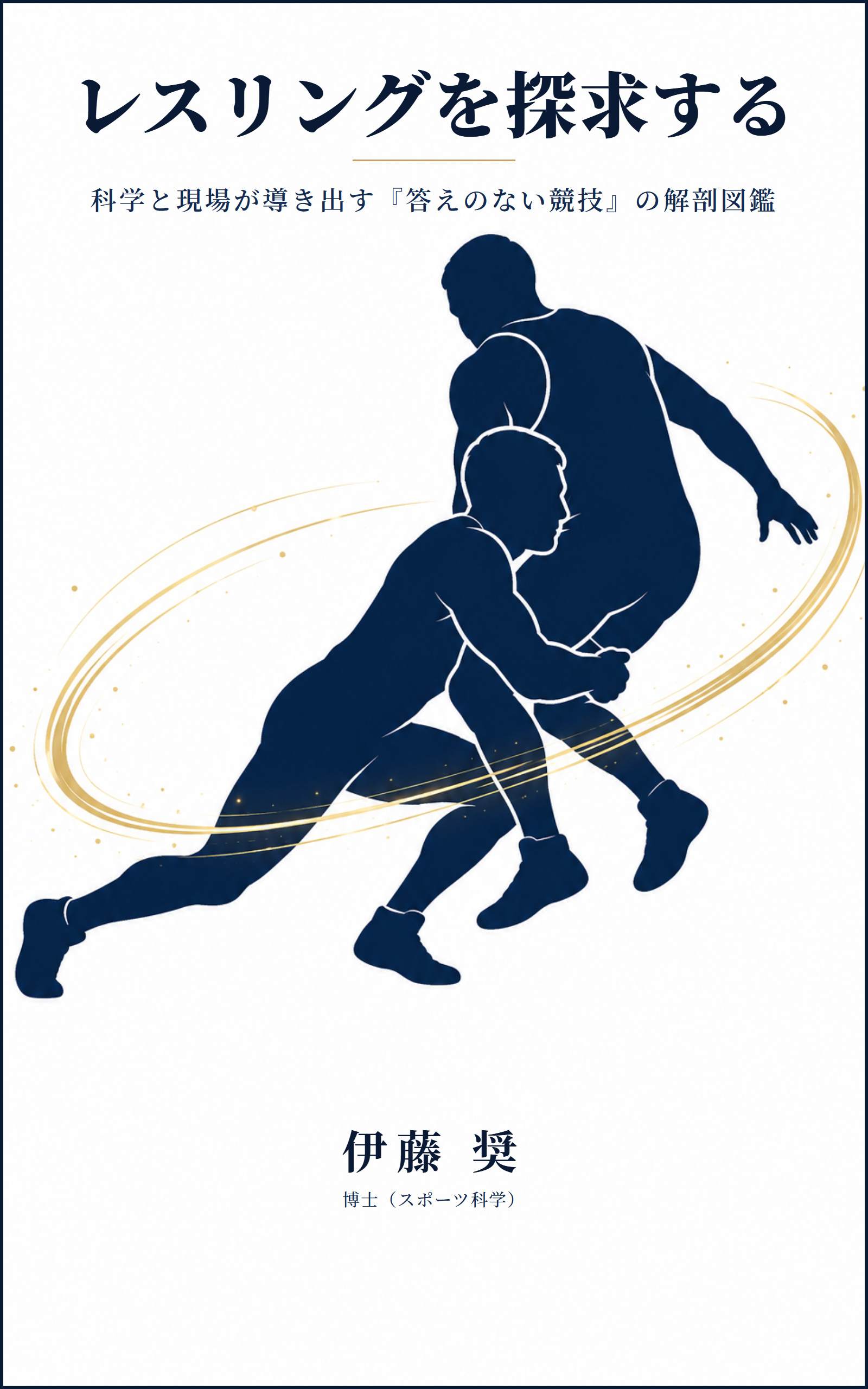
The author of this blog has written a Japanese-language book that examines the hidden mechanisms of wrestling from both research and coaching perspectives. Kindle edition 1,250 yen, paperback 2,500 yen, also included with Kindle Unlimited.
View on Amazon (out September 23) →
Release updates are sent through our official LINE account. / See the book page


コメント