
Hello!
This is Sho Ito, the creator of Wrestling Lab.
I’m currently writing a book titled “Anatomy of Japan’s Wrestling Strength,” scheduled for release on Kindle in December 2025.
Through this note, I share both the writing process and wrestling-related insights from a scientific point of view.
Today’s topic is something essential for both your health and daily performance: sleep
“I’ll just catch up on sleep over the weekend.”
“I can push through with willpower!”
Sound familiar?
Many of us take sleep lightly—but research tells us this mindset comes at a serious cost.
In this “sleep series,” I’ll unpack the hidden dangers of sleep deprivation based on the work of Dr. Seiji Nishino, a renowned sleep researcher at Stanford University.
What Experts Call “Sleep Debt”
Sleep scientists often use the term “sleep debt” instead of simple “sleep deprivation.”
Like financial debt, sleep debt accumulates silently and harms your brain and body over time.
Here’s what it can lead to:
-
Micro-sleeps: Unconscious episodes lasting 1–10 seconds
-
Japan’s crisis: Japan has one of the highest rates of chronic sleep deprivation
-
Weekend recovery?: That craving to “catch up on sleep” is actually a distress signal from your brain
One study in the U.S. even found that people who sleep significantly more or less than the average (7.5 hours) have a 1.3× higher mortality rate within six years.
So yes—too much sleep can also be harmful.
How Sleep Debt Harms Your Body
Here are some key risks associated with chronic sleep debt:
-
Impaired insulin secretion: Raising your risk of diabetes
-
Hormonal disruption: Less leptin (appetite suppressant), more ghrelin (hunger hormone)
-
Cardiovascular strain: Elevated blood pressure due to ongoing sympathetic nervous system activity
-
Mental instability: Increased risk of depression, anxiety, addiction
-
Dementia risk: Mice studies show sleep deprivation may accelerate Alzheimer’s onset
As you can see, sleep debt brings zero benefits.
So, the real question is:
Would you rather sacrifice your health for temporary productivity,
or prioritize quality sleep to live a more fulfilling life?
Why not take this chance to reassess your sleep habits?
In Summary
In this post, we explored how “sleep debt” can silently degrade your health and performance.
To truly thrive in work, training, and life, you need more than just hustle—you need to manage both the quantity and quality of your sleep.
In the next article, we’ll focus on how to improve sleep quality.
“If short sleep is bad, is longer sleep automatically better?”
It’s not that simple—and I’ll explain why next time.
Final Notes
📘 Anatomy of Japan’s Wrestling Strength
Coming to Kindle in December 2025!
📱 Follow me for more updates and insights:
-
X (Twitter): @wrestlinglab_jp
-
Instagram: @wrestle_insight
On social media, I also share research highlights, behind-the-scenes content, and updates on this book project.
Sho Ito
Based on “The Stanford Method for Ultimate Sound Sleep” by Dr. Seiji Nishino (Sunmark Publishing)
日本語 ver.
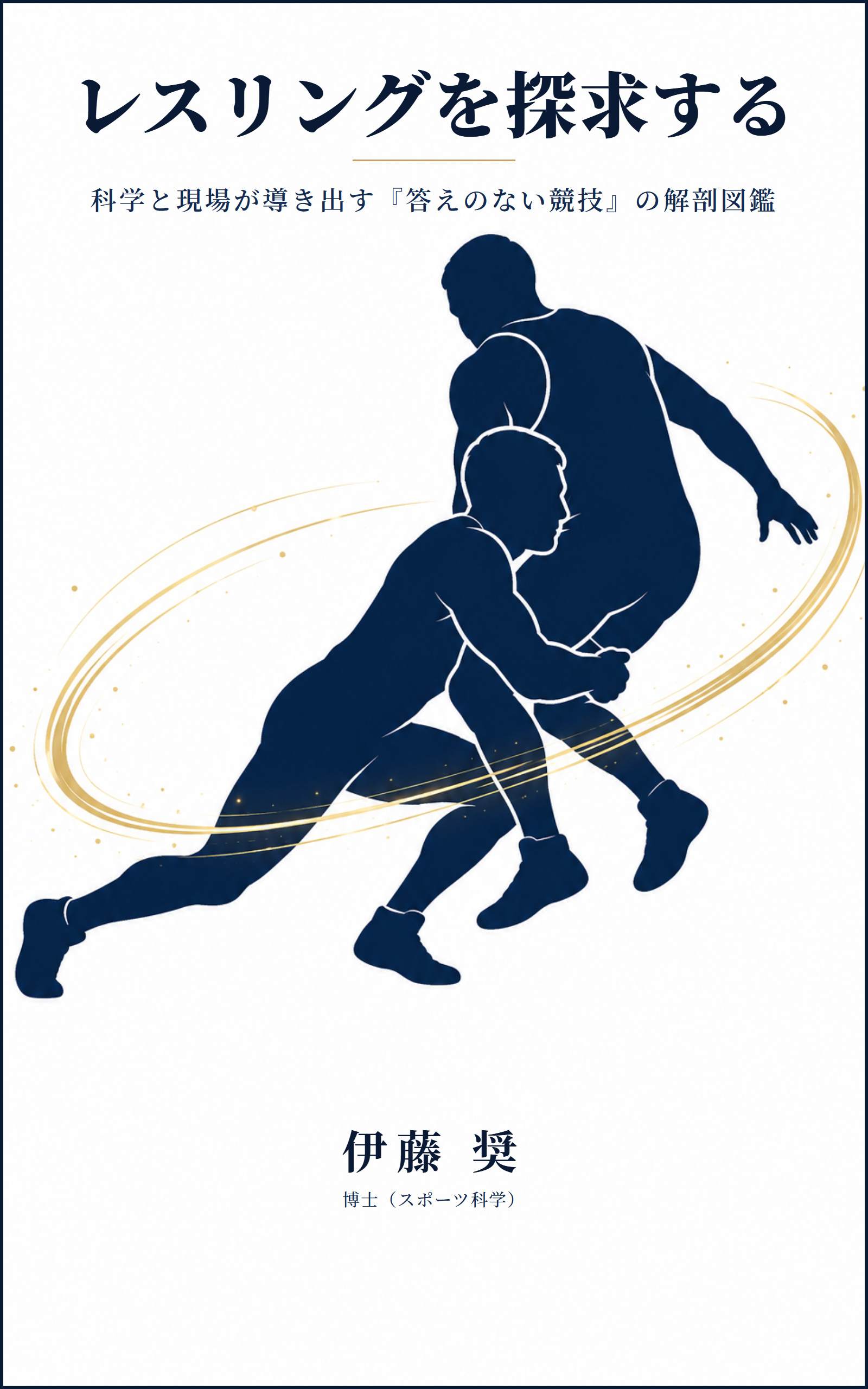
The author of this blog has written a Japanese-language book that examines the hidden mechanisms of wrestling from both research and coaching perspectives. Kindle edition 1,250 yen, paperback 2,500 yen, also included with Kindle Unlimited.
View on Amazon (out September 23) →
Release updates are sent through our official LINE account. / See the book page
コメント